
No. 003From the kitchen
Mechanical or digital? A kitchen timer for the way you cook.
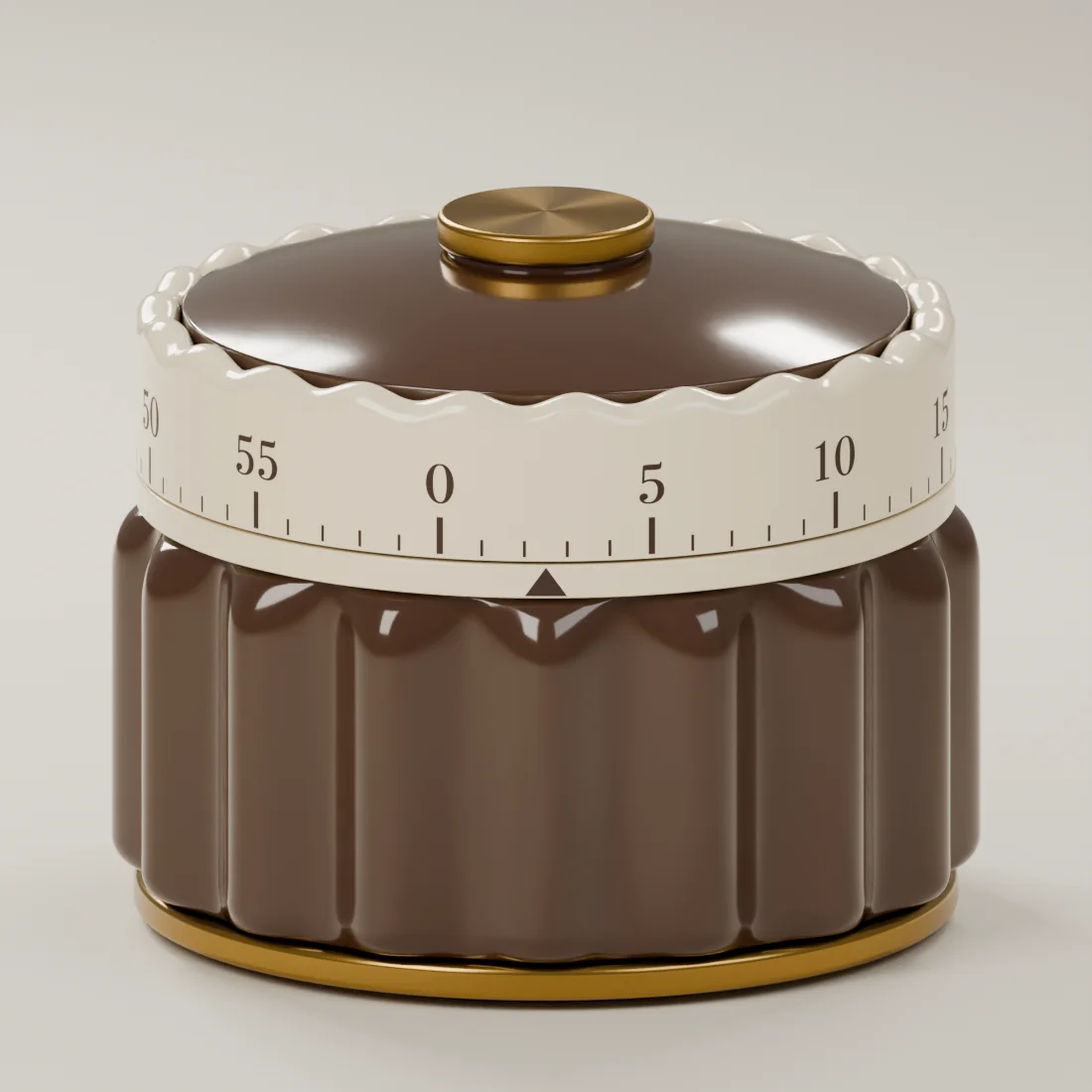
Choose a mechanical kitchen timer if you like a physical dial and a straightforward countdown. Choose digital if features such as several simultaneous timers or a numerical display matter more to you. The details vary by model, so start with the way you cook, then check the specifications.
Find your own rhythm.
The appeal of a dial.
A wind-up mechanical timer makes setting the time a physical action. You turn a dial and read its position against the markings. That can be an appealing choice for someone who prefers a dedicated kitchen object without a screen or batteries.
Look closely at the usable timing range, the spacing of the markings and the instructions for setting it. Mechanical does not describe one universal operating procedure. Follow the instructions for the model you own rather than assuming every dial works the same way.
As one example, Taylor’s 5830 mechanical timer lists a countdown of up to 60 minutes. That is a specification for that model, not a promise about every mechanical timer. A longer task may call for a different device.
Where a digital timer helps.
Digital timers can offer features that are useful when cooking gets more complicated. Depending on the model, these might include several countdowns, second-by-second entry, a count-up function or adjustable volume. Check the particular device instead of treating all digital timers as interchangeable.
For example, OXO’s Triple Task Kitchen Timer lists three timers, an adjustable volume and a stopwatch function. If you regularly have separate dishes on the go, that kind of setup may suit you better than a single countdown.
There is still a physical object to consider: the size of its buttons, its viewing angle and where it will sit. A long feature list does not tell you whether you will enjoy using it with the counter space and lighting you have.
A few checks that matter for either.
Look for clear information about the alert, controls, power source and cleaning instructions. If hearing the alarm is especially important for you, investigate the device’s actual alert options. A picture cannot tell you how an alarm will sound in your room.
Do not assume that displaying seconds guarantees better timing accuracy, or that a mechanical device will last longer simply because it has fewer visible controls. Those are performance questions for the manufacturer and for meaningful testing.
It can help to write down your must-haves before browsing: one countdown or several, a dial or buttons, the longest time you need, and whether a visual alert matters. A timer that meets those needs is a more useful choice than one with features you will not use.
Where the Scallop Timer fits.
We are developing the Scallop Timer around a wind-up mechanical approach, a cream dial and a scalloped body in six color directions. It is for people drawn to the idea of a simple, physical kitchen object they can leave within reach.
It is available to preorder while development continues. Its final timing range, accuracy, alert sound and operating instructions will be shared after physical validation. The digital exterior studies show the design direction; they do not establish those performance details.
If you need a timer with verified specifications for use right now, choose an available model that meets them. If our design and approach feel like your kind of kitchen, you can explore the colors and preorder details below.